
How BRM shifted from one-time discounts to loyalty that redeems itself
How BRM shifted from one-time discounts to loyalty that redeems itself
of total revenue already driven by loyalty program.
reward redemption rate.
loyalty enrollment rate.
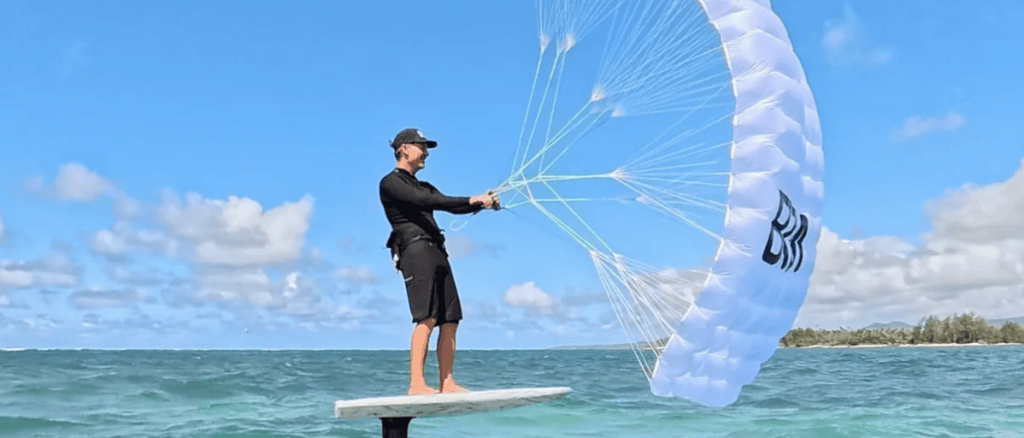
Boardriding Maui (BRM) is a US wind-sports brand selling premium gear — parawings, kites, and boards — direct to a devoted community of riders. Founded on Maui in 2012 by designer Greg Drexler, BRM invented the sport’s first strutless kite and, in 2024, created the parawing category outright. Today the business is run day-to-day by Greg and his co-owner, Eriko, who handles the storefront, marketing, and customer support.
With BON Loyalty, BRM achieved:
- An impressive ~85% loyalty enrollment rate among customers
- A 46%+ reward redemption rate
- Loyalty members driving over 35% of BRM’s total revenue
- An organic referral program powered by genuine customers rather than paid influencers
The challenge: a discount that never asked anyone to come back
Before moving to Shopify, BRM operated on a different ecommerce platform where returning customers were rewarded primarily through volume discounts. Buy multiple products at once, receive a discount.
While effective for larger orders, it did little to reward customers for trying a new product and wasn’t yet ready to commit to buying multiple units.
When the business migrated to Shopify, Eriko, who manages much of the operational side of the business, saw an opportunity to rethink that approach.
Rather than rewarding customers only at the moment of purchase, she wanted to create an experience that recognized loyalty over time. The priority was finding a loyalty program that reflected the brand’s understated, community-first approach rather than relying on frequent promotions.
“I thought it would be better if we rewarded them for repeat purchases. We also wanted to show appreciation to our customers.”
The solution: Keep the program simple and make the rewards meaningful
After moving the business to Shopify, Eriko began evaluating loyalty programs. It was BRM’s first loyalty platform, so the team compared available options carefully before making a decision. Because loyalty was still an experiment, they wanted a solution that was straightforward to launch without overinvesting in unnecessary complexity.
BRM implemented BON Loyalty shortly after launching on Shopify and deliberately kept the program simple.
- • Customers earn points from purchases with a cashback rate worth roughly 10% of their spending.
- • A referral program rewards both existing customers and the friends they introduce to the brand.
As the program evolved, the team even simplified the customer experience further. The reward program is available where customers naturally expect to find them, within their customer account and on the dedicated loyalty page, making them easy to access without interrupting the shopping experience.
This philosophy extended to referrals as well. Rather than partnering with paid influencers, BRM’s referral program is primarily used by experienced riders who create YouTube reviews and product comparisons because they enjoy the sport. Their referral codes simply give their audiences an additional reason to purchase.
“These are people talking about all different brands, comparing pros and cons, and saying, ‘If you like BRM's product, use my referral code.’ It's very organic. I like that we have it because it gives these people a way to get rewarded.”
To make referrals even easier to discover, BRM worked with BON Loyalty on a customization that links directly from the “Ways to Earn” section to the referral section on the loyalty page, helping customers participate without adding unnecessary friction.
Throughout the implementation, the goal remained the same: create a loyalty program that complements the customer experience rather than competing for customers’ attention.

The result: High engagement without high-pressure marketing
Many brands increase loyalty engagement by sending more campaigns. BRM achieved it by making the rewards valuable enough that customers wanted to use them.
Because the company’s products are premium purchases, loyalty rewards accumulate into meaningful amounts. A customer purchasing equipment worth $1,000 with a 10% cashback loyalty program receives rewards that feel substantial.
That changes customer behavior.
During the measured period in 12 months:
- • The loyalty program influenced 35.56% of total revenue
- • Customers redeemed rewards at a 46.22% rate
For BRM, these numbers aren’t the result of frequent promotions or sophisticated marketing automation. They’re the outcome of matching reward value with customer expectations.
The advice: Loyalty works best when it reflects the customer experience
For BRM, loyalty goes far beyond points. It reflects how they treat customers at every touchpoint. Eriko personally handles most customer inquiries and even the founder steps in to support when highly technical expertise is needed. There is no AI-generated support or scripted responses. Every conversation is written individually because buying premium sporting equipment is a meaningful decision, and customers expect thoughtful, human guidance.
That same mindset carries into the loyalty program. Instead of using rewards to make up for gaps in the experience, BRM uses them to strengthen relationships that are already built on trust. Customers receive high-quality products, personal support, and meaningful rewards when they return, with each part reinforcing the others.
When asked what advice she would give other merchants, Eriko starts with the product. In her view, no loyalty program can compensate for something customers do not genuinely want. Once that foundation is in place, customer experience becomes the real differentiator. For smaller brands especially, personalized service can go further than large marketing budgets, and loyalty simply reinforces that relationship over time.
Eriko believes successful loyalty starts well before a loyalty program is introduced.
“The most important thing is that the product is good and that people want it. Without that, I don't think any amount of marketing or loyalty program is going to make it successful. But if you have that, personalization and a positive customer experience really matter, especially for anyone selling an expensive product.”
BRM’s experience shows that effective loyalty does not have to rely on more campaigns, more automation, or more complexity. Sometimes, the strongest results come from staying true to the brand, rewarding customers in ways that feel genuine and giving them a reason to come back because they actually want to.
